Glacier National Park
The wild heart of the northern Rockies.
Plan a west-to-east Glacier visit around lodging, open roads, wildlife interests, and any optional time in Waterton Lakes.
Plan this park tripA closer look at the park



What makes Glacier different
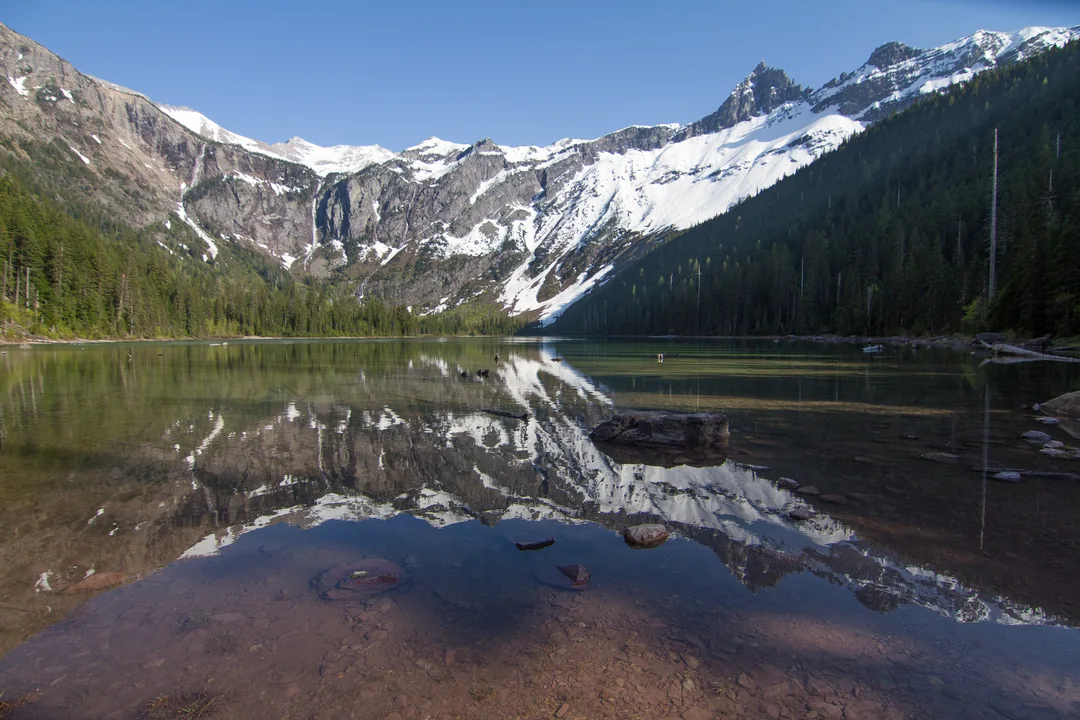
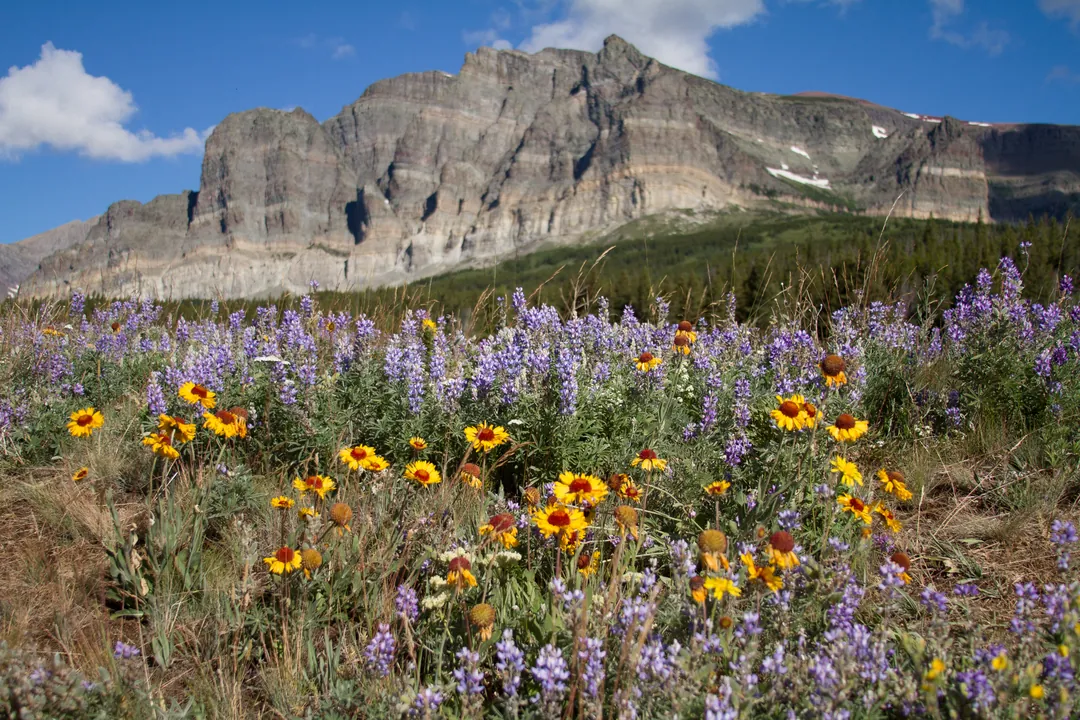
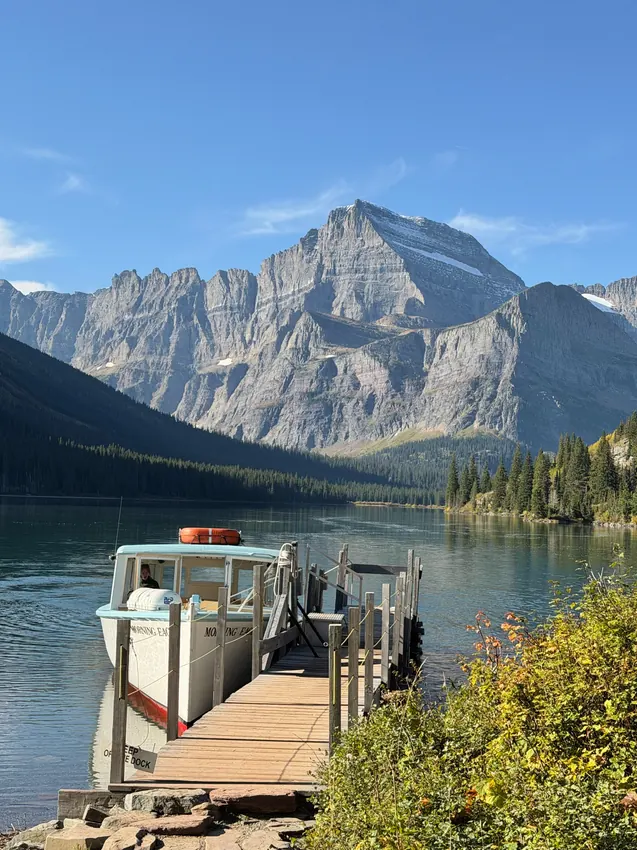
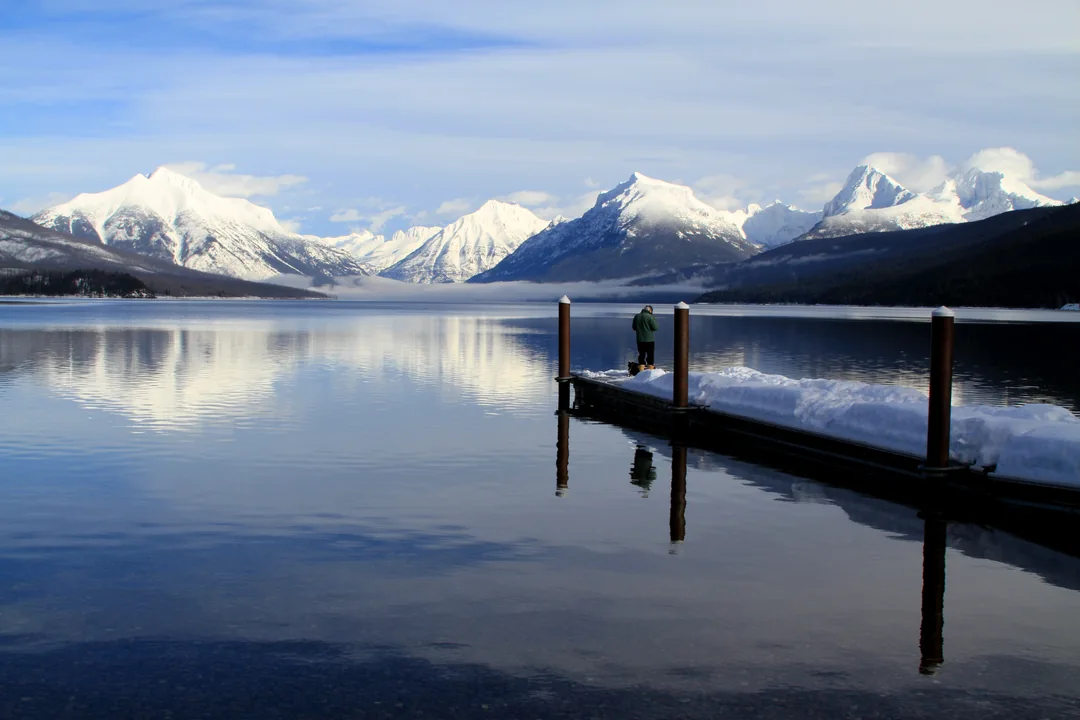
Glacier is a place of broad mountain valleys, clear lakes, alpine scenery, and a remarkable east-to-west crossing. Its distances and changing conditions reward a plan that is realistic without feeling rigid. Add nearby Waterton to a longer journey with a separate border and lodging plan.
How we can help plan your visit
- Plan your lodging sequence and travel days around the park's east and west sides, with a Waterton extension if desired.
- Build a route for Going-to-the-Sun Road only when its seasonal status and current access permit.
- Match lakeshores, photography stops, and walks to your group's interests and comfort.
Experiences to consider
- For scenery at an easy pace: lake viewpoints and short nature walks, chosen for current access and comfort.
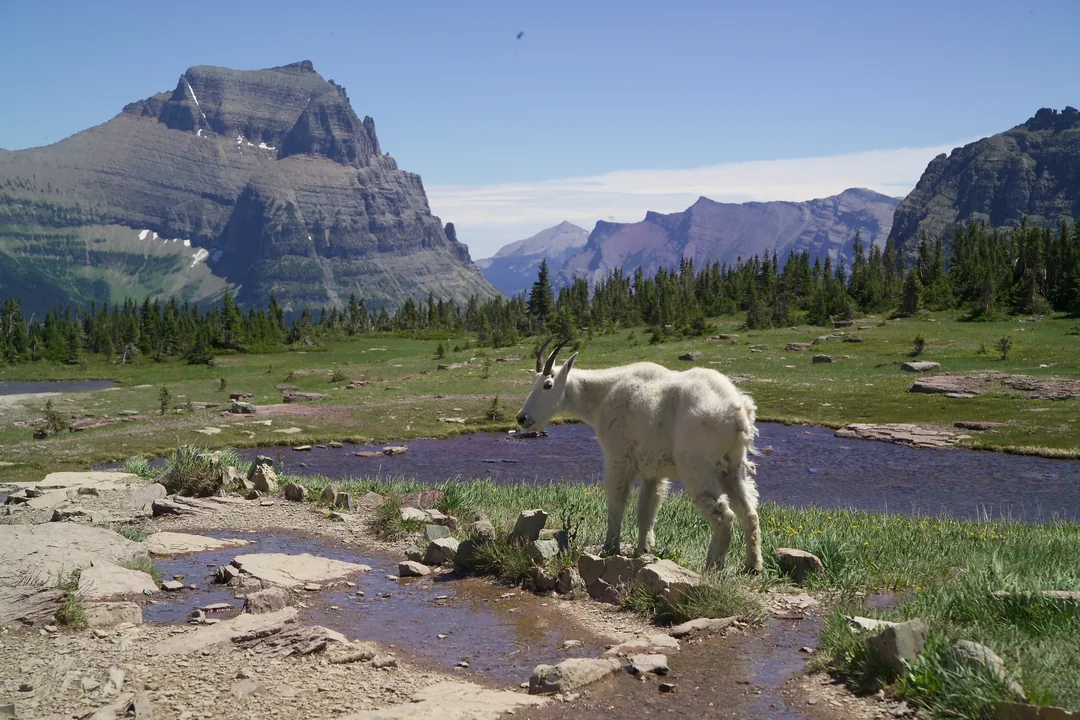
- For wildlife and birding: patient observation in suitable habitats at safe distances; sightings can never be guaranteed.
- For active travelers: a trail day selected using current conditions, elevation, and the group's abilities.
Illustrative trip concept: From mountain lakes to the eastern valleys
Suggested duration: 5–7 days. A west-to-east route organized around lodging, road status, and an optional Waterton Lakes extension.
- Phase 1: Settle into a west-side base for a gentler first day by the water and an unhurried walk.
- Phase 2: When road conditions allow, cross the park with time for mountain viewpoints and a suitable trail or scenic stop.
- Phase 3: Shift to the east side for wildlife watching, lake light, and another choice of easy or more active outings; add Waterton only if the timing and border details make sense.
Illustrative trip phases, not a day-by-day schedule.
Practical planning considerations
- Going-to-the-Sun Road, trails, and services change with the season. Spring and late fall call for more self-sufficient days, and higher trails may still be snow-covered; check NPS road, trail, and facility status near travel.
- The east and west sides are not interchangeable bases. Lodging location and realistic drive time shape each day.
- A Waterton extension adds a Canadian border crossing and separate Parks Canada requirements; verify documents and current rules before travel.
Frequently asked questions
Can Glacier and Waterton be planned as one trip?
Yes. They can work well together when the lodging sequence, border crossing, seasonal roads, and separate U.S. and Canadian park requirements are planned for your dates. Waterton can be a full extension or a more flexible part of the journey.
What if Going-to-the-Sun Road is not open?
A Glacier itinerary should have alternatives. Road status can change with the season and conditions, so we check NPS updates and shape days on the appropriate side of the park rather than depending on one crossing.
Current park access
Seasonal roads, trails, weather, and reservations can change. Check the National Park Service's latest park notices before you travel.
View official NPS current conditionsA thoughtful first visit: free Glacier National Park guide
Last reviewed: October 2026 (editorial review).
A complimentary six-page guide to east- and west-side lodging, flexible trip pacing, Going-to-the-Sun Road, wildlife safety and dated 2026 access notes. No signup required. Confirm the rules for your travel year with the National Park Service.
Read the free Glacier guide (PDF)Plan a Glacier trip with the embedded inquiry form on this page. If the interactive form does not load, use the contact details in the footer.
Personally hosted journeys are by special arrangement; there is no direct Glacier tour booking here.