Zion National Park
Let the canyon set the pace.
Make shuttle timing, walking comfort, and heat-aware alternatives part of one well-sequenced Zion visit.
Plan this park tripA closer look at the park







What makes Zion different
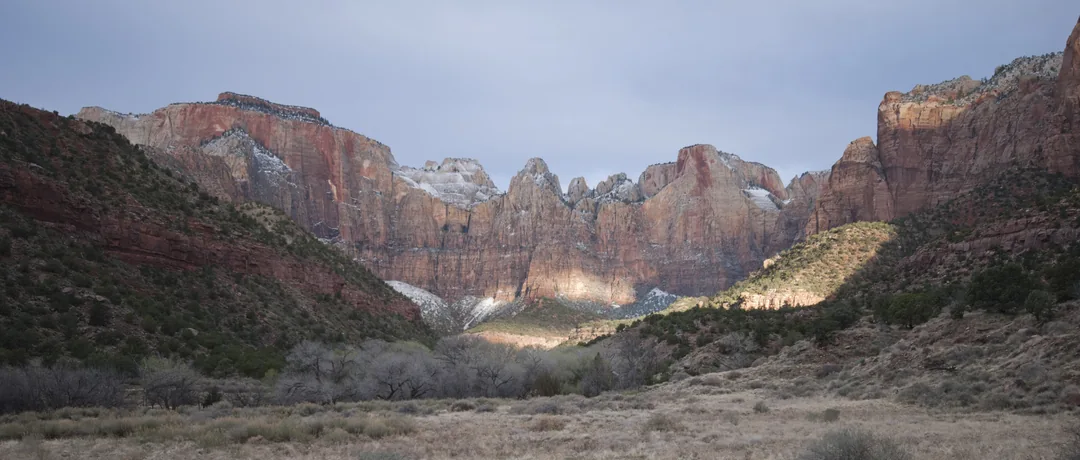
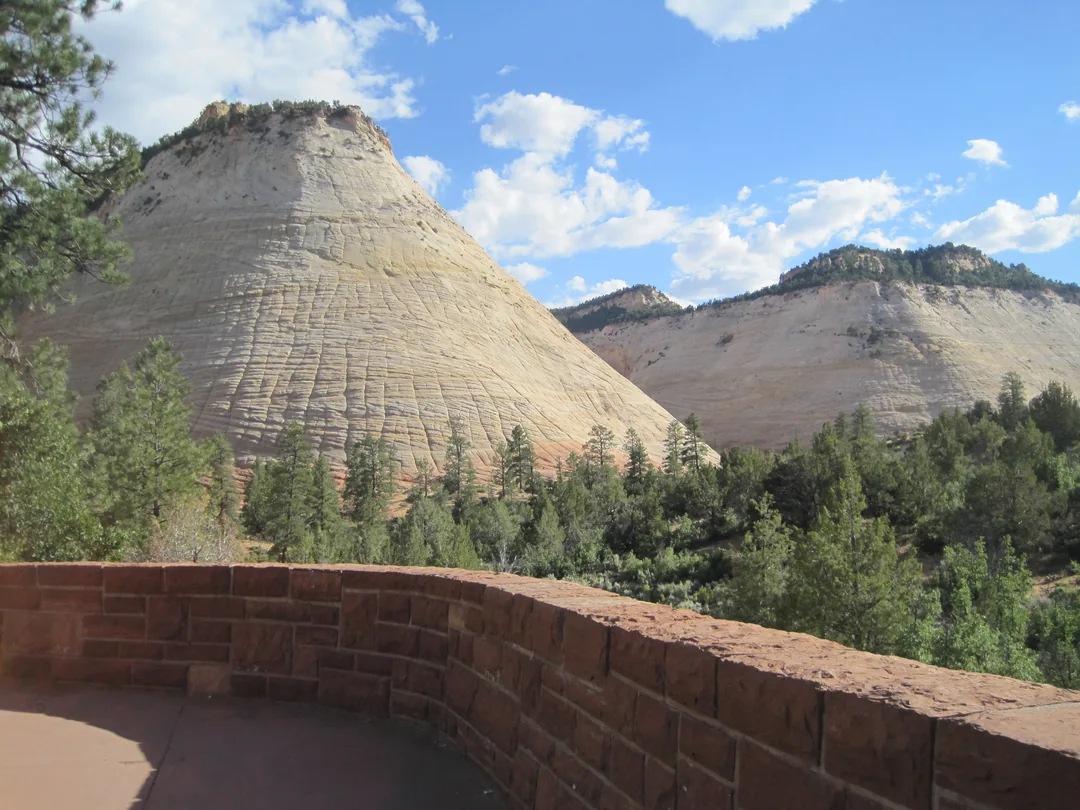
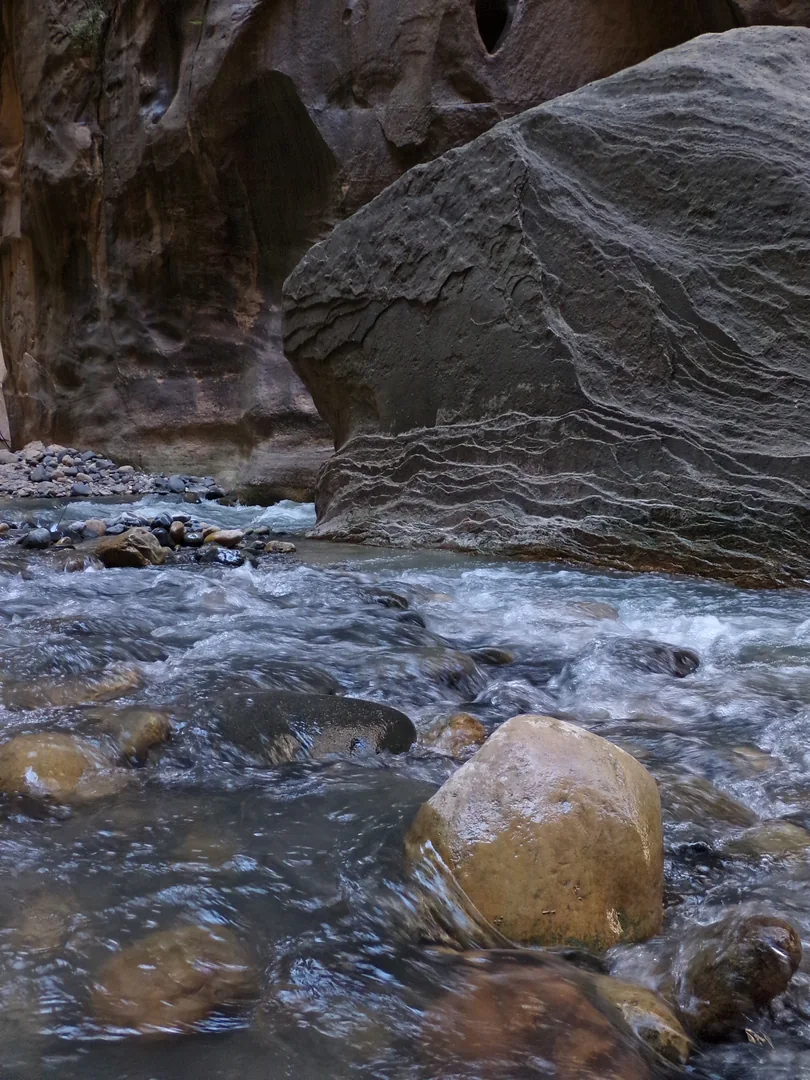
Zion's pale and red sandstone walls frame a green river corridor, with a very different desert-and-canyon character from alpine parks. A good plan respects heat, shuttle access, trail conditions, and the difference between an easy riverside walk and a demanding canyon adventure.
How we can help plan your visit
- Choose a Springdale or regional lodging base and plan park access around the current shuttle schedule.
- Match trail choices, canyon viewpoints, and optional Kolob Canyons time to season and ability.
- Help coordinate agreed reservations or properly authorized specialized providers, checking permits and conditions for the exact activity.
Experiences to consider
- For a gentler day: the Pa'rus Trail, canyon viewpoints, and time for interpretation or sunset light.
- For hikers: select a canyon trail suitable for weather, heat, permits, and the group's fitness.
- For a change of pace: explore Kolob Canyons or make room for geology, birding, and photography.
Illustrative trip concept: Canyon light & a quieter second perspective
Suggested duration: 3–4 days. A Zion sample that pairs the signature canyon with a different red-rock setting and a sensible weather buffer.
- Phase 1: Arrive in the area, confirm the next day's access, and enjoy an easy golden-hour canyon introduction.
- Phase 2: Choose one principal canyon outing using the shuttle when operating, matching the walk to your group and current conditions.
- Phase 3: Explore another perspective such as Kolob Canyons or choose a slower nature-focused day before departure.
Illustrative trip phases, not a day-by-day schedule.
Practical planning considerations
- Zion Canyon Scenic Drive access changes with shuttle operation, and park lots fill quickly. When they do, plan legal Springdale parking and use the shuttle or pedestrian entrance; check the current NPS schedule.
- Heat and flash-flood risk are serious trip variables, especially for canyon hikes; check forecasts and closures.
- Some popular hikes or wilderness activities require permits or specialized preparation; confirm official rules before making plans.
Frequently asked questions
Do I need a shuttle to see Zion Canyon?
Zion Canyon Scenic Drive access changes when the park shuttle is operating. We check the current NPS shuttle calendar, parking advice, and access rules for your travel dates instead of assuming year-round private-vehicle access.
Can Zion be enjoyable without a strenuous hike?
Yes. Easy paths, viewpoints, interpretation, photography, and a differently paced day in the region can be shaped around your mobility and interests.
Current park access
Seasonal roads, trails, weather, and reservations can change. Check the National Park Service's latest park notices before you travel.
View official NPS current conditions