Yosemite National Park
The familiar icons, seen with fresh eyes.
Choose a Valley base, then build around seasonal road access, waterfalls, sequoias, and walking that fits your group.
Plan this park tripA closer look at the park
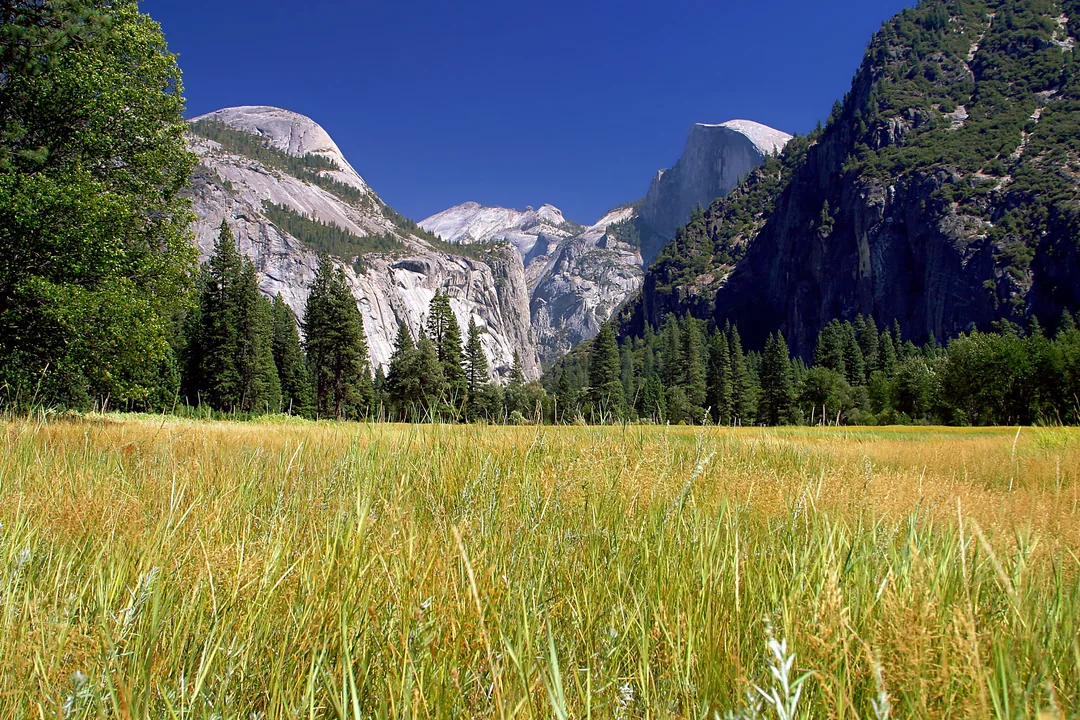

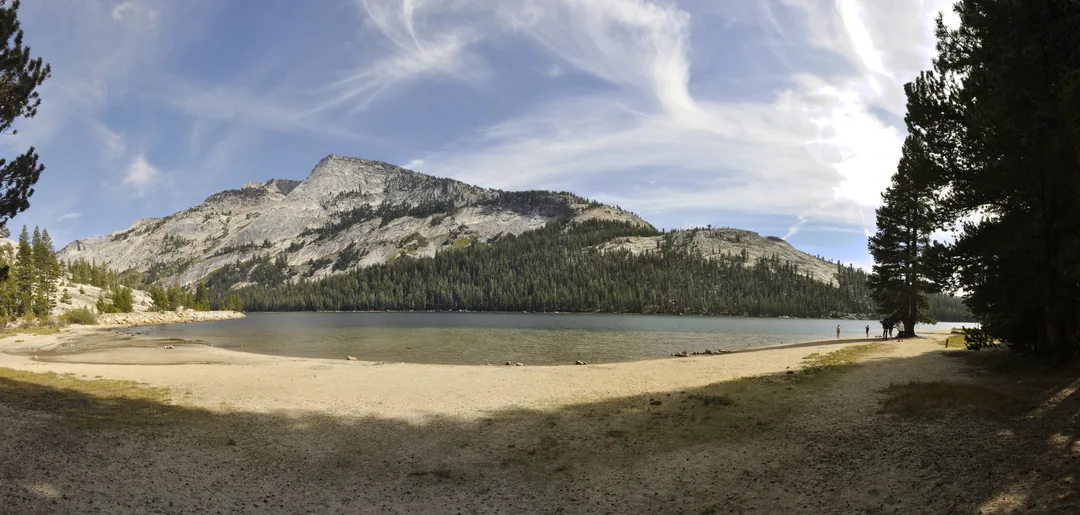

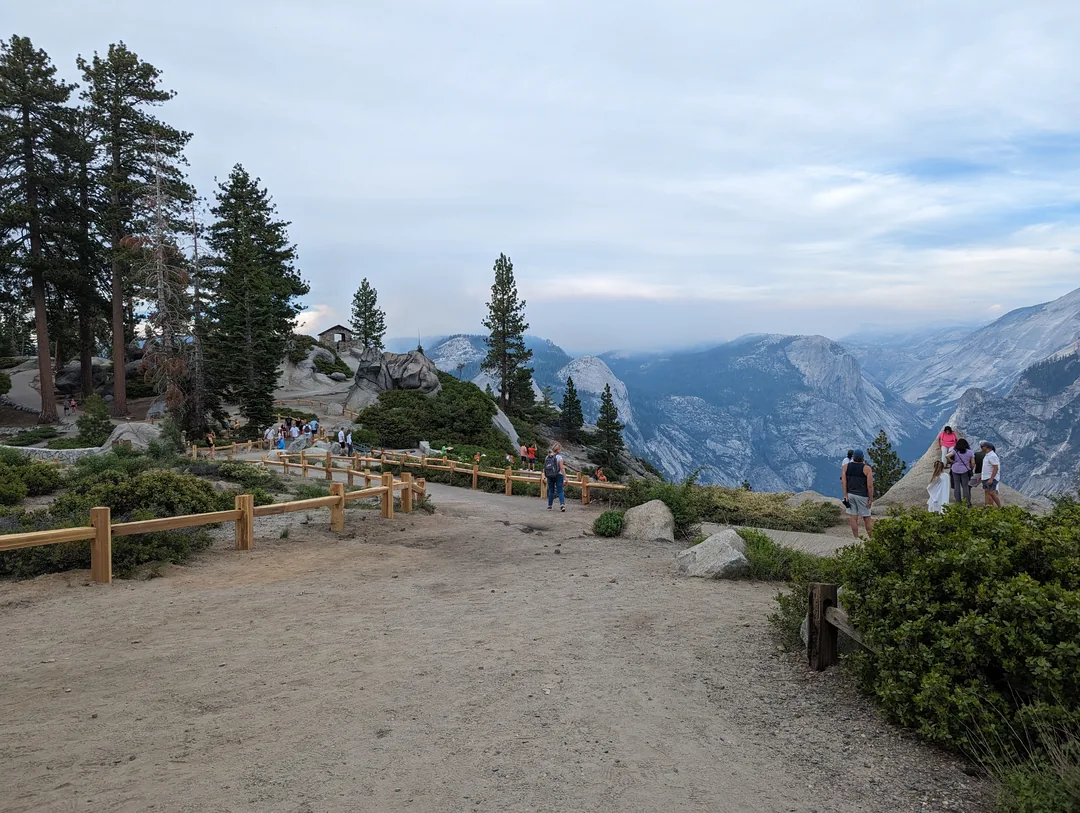

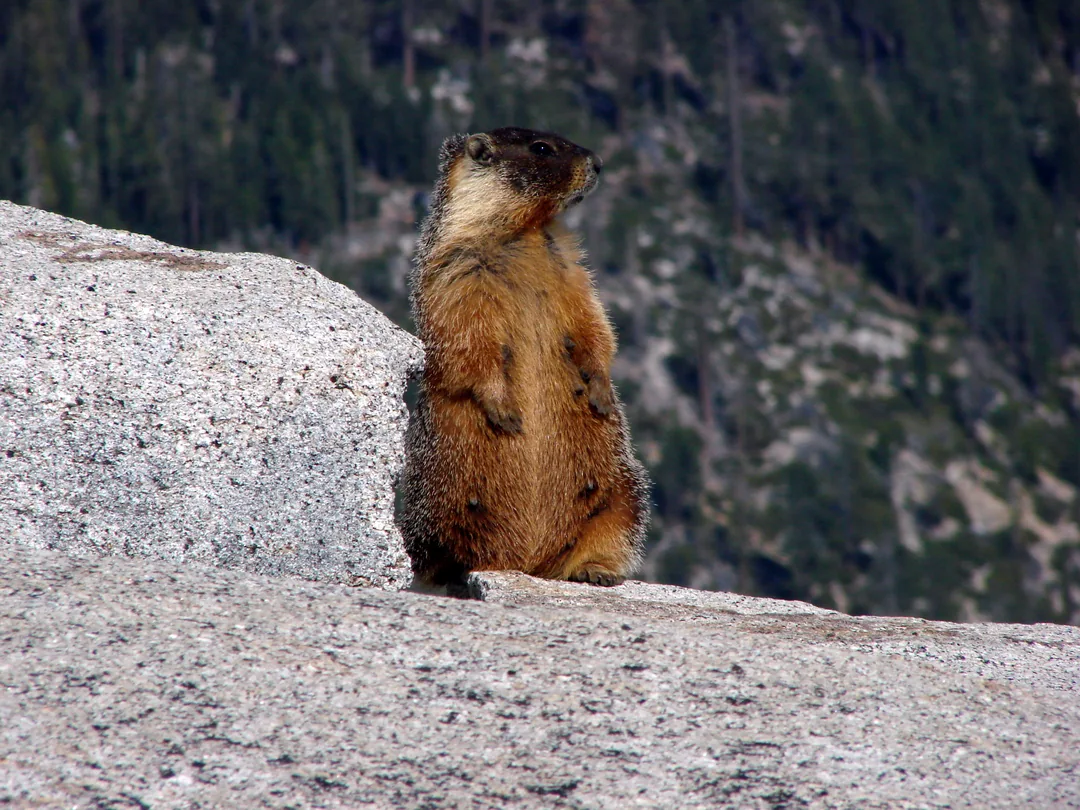

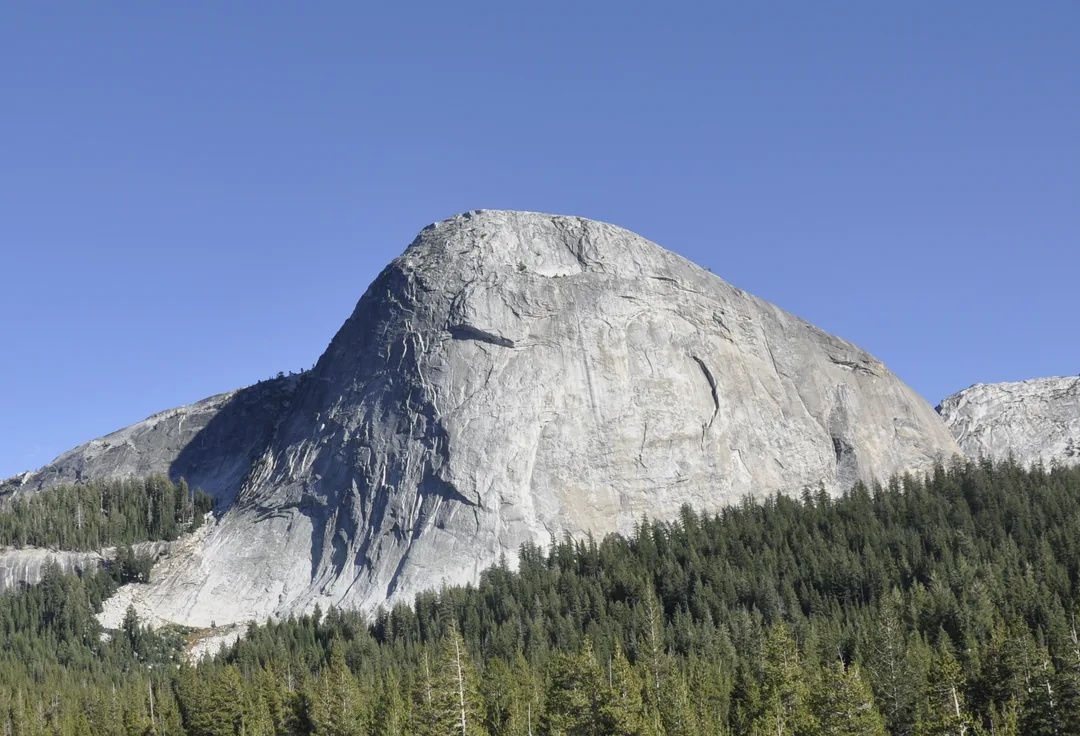

What makes Yosemite different
Yosemite's signature sights can look close on a map but take time to reach. A Valley base, seasonal road status, and parking strategy shape what can comfortably fit in a day.
How we can help plan your visit
- Select a lodging base to avoid Valley backtracking; use the free Valley shuttle for selected lodges and trailheads rather than moving the car at every stop.
- Combine viewpoints, waterfalls, sequoias, and possible high-country days according to road status and season; check Mariposa Grove's separately scheduled shuttle before counting on it.
- Coordinate agreed reservations or appropriately authorized local experiences when they add something meaningful to the trip.
Experiences to consider
- For a gentle scenic day: Valley viewpoints, meadows, and accessible or easy walks.
- For active travelers: a waterfall or granite-country trail chosen with elevation, conditions, and a turnaround in mind.
- For photographers or families: the changing light and a sequoia-grove day when access permits.
Illustrative trip concept: Granite, waterfalls & sequoias
Suggested duration: 3–5 days. An illustrative Valley-centered plan that can broaden into other areas if the roads, lodging, and season allow.
- Phase 1: Settle into the selected base and take in Valley landmarks with a relaxed orientation.
- Phase 2: Devote a day to waterfalls and a walk suited to your group, leaving time for transit or parking logistics.
- Phase 3: Add a sequoia-grove visit or a quieter seasonal area, with a final buffer for weather and availability.
Illustrative trip phases, not a day-by-day schedule.
Practical planning considerations
- Waterfall flow and high-country access vary strongly by season; verify road and trail status close to travel.
- Valley congestion, parking, lodging, and park transportation need advance strategy.
- Entry, permit, and reservation rules can change; check the official NPS guidance for your exact dates.
Frequently asked questions
When should I plan to see Yosemite waterfalls?
Waterfall flow varies by season and annual conditions. Spring is often a strong period, but we check the NPS waterfall and road updates for your dates before shaping a trip around them.
Does a Yosemite trip have to stay in the Valley?
No. Depending on season and road access, the Valley can be paired with sequoia groves, Wawona, or high-country areas. Lodging location and drive time determine what makes sense for your visit.
Current park access
Seasonal roads, trails, weather, and reservations can change. Check the National Park Service's latest park notices before you travel.
View official NPS current conditions