Grand Teton National Park
Room to breathe beneath the Tetons.
Plan sunrise and sunset windows, scenic drives, and wildlife opportunities without overloading each day.
Plan this park tripA closer look at the park





What makes Grand Teton different
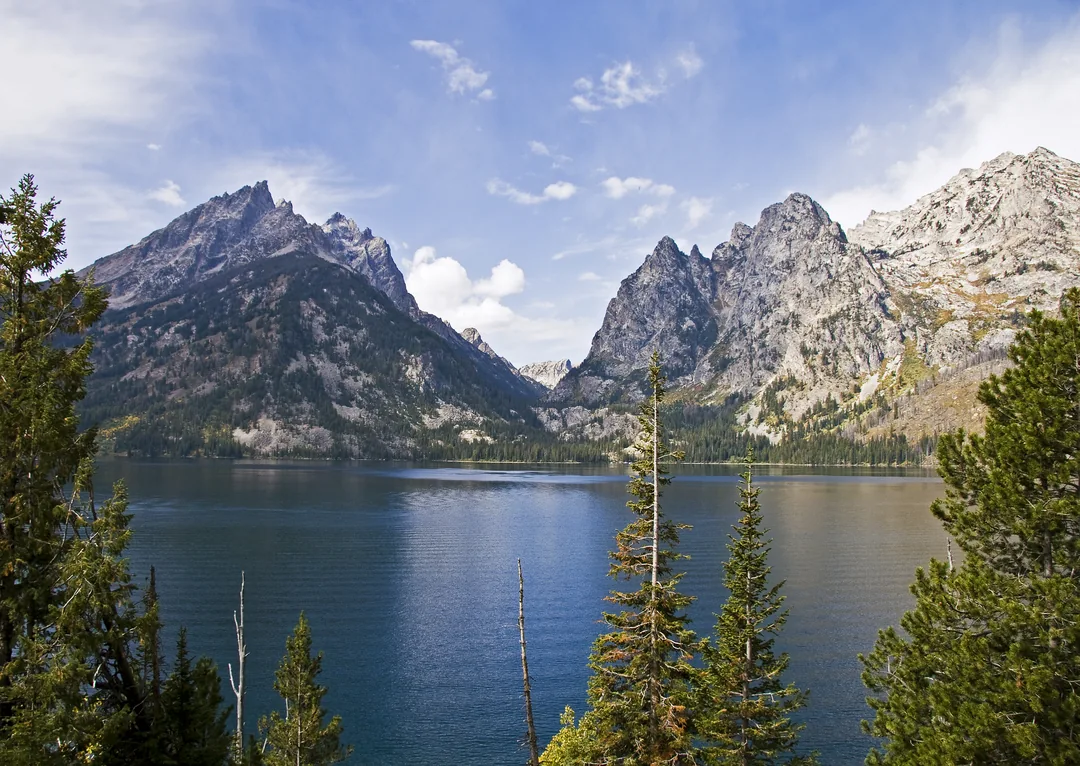
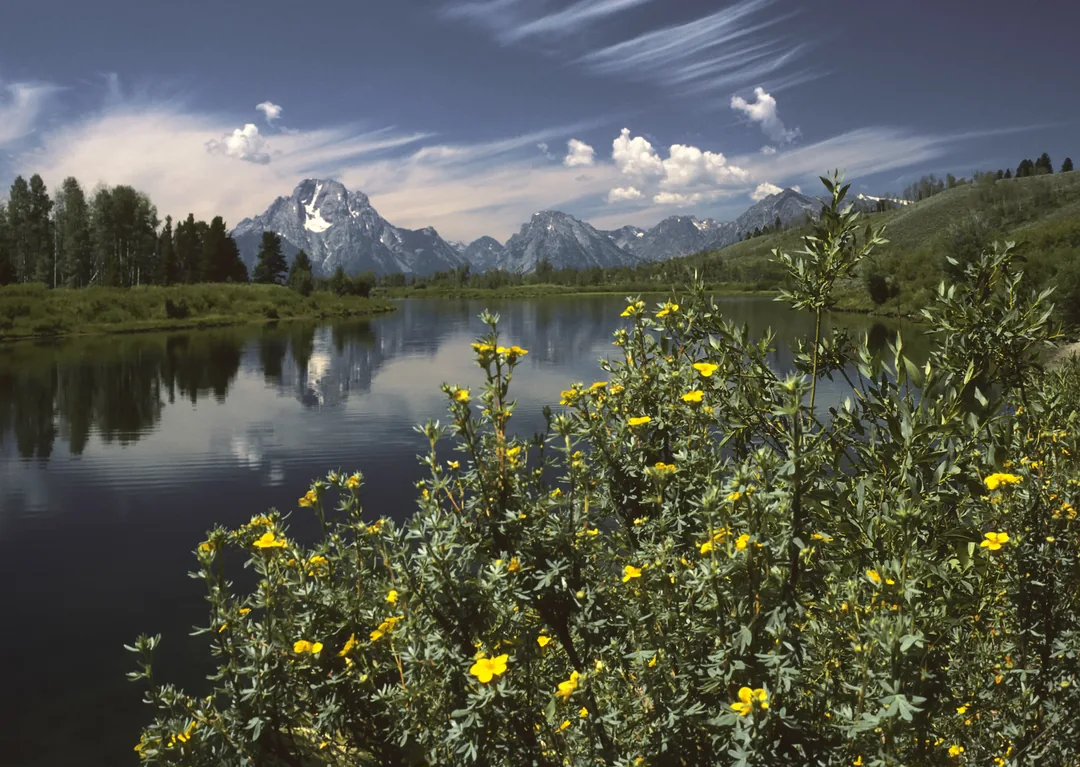
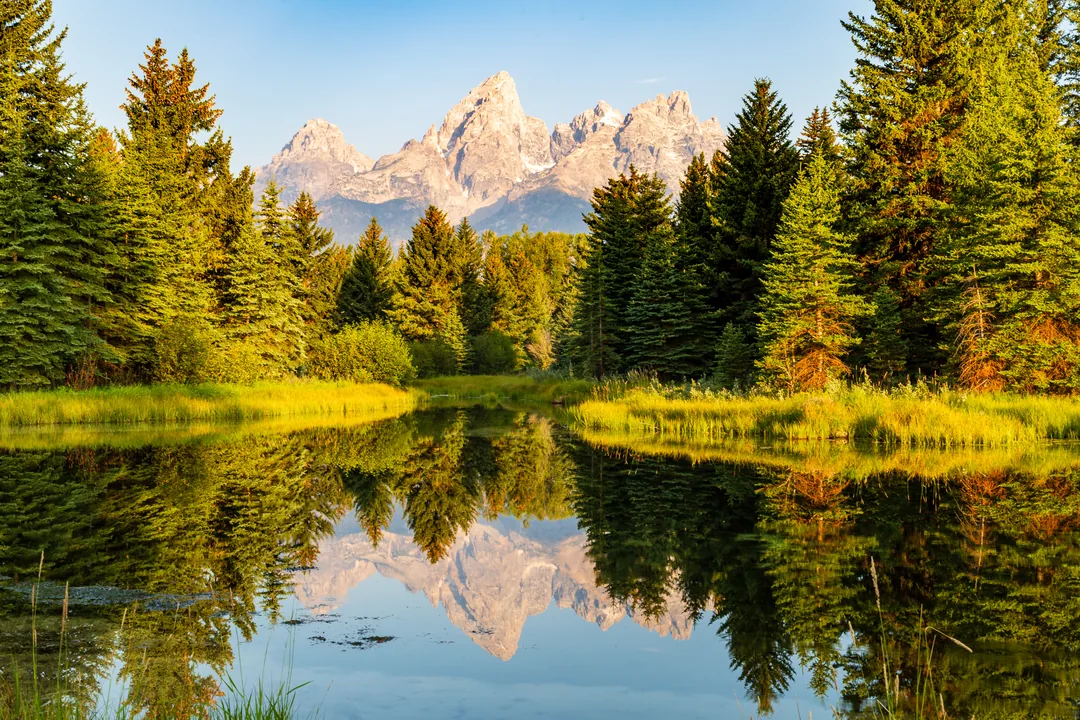
The Teton Range rises abruptly above lakes, sagebrush, and the Snake River. Mountain light can change by the hour, while the park's compact-looking map hides plenty of reasons to slow down and stay awhile.
How we can help plan your visit
- Choose a Jackson-area or park-area lodging base that supports the drives and early outings you want.
- Pair scenic routes, lake days, wildlife interests, and any agreed activities with realistic time and weather alternatives.
- If specialist boating or other in-park guiding fits your plans, coordinate only with an appropriately authorized provider.
Experiences to consider
- For scenic ease: river overlooks, lakeshores, and selected pullouts with little walking.
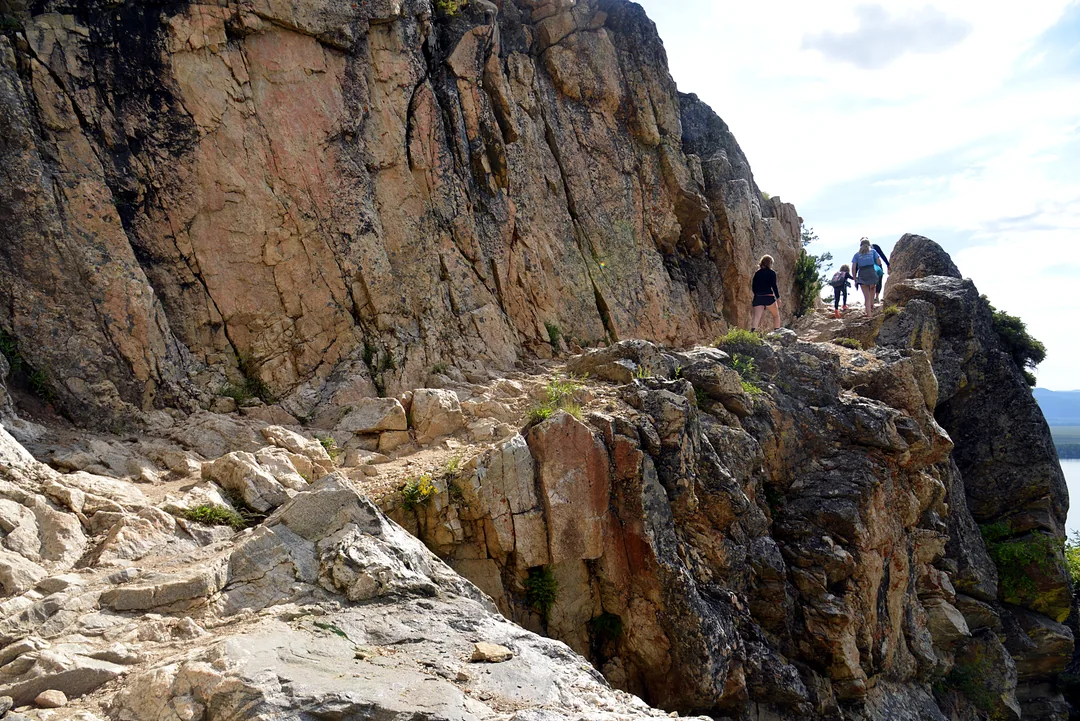
- For a more active day: a lake or valley hike selected for elevation, conditions, and your group's pace.
- For photography and wildlife interests: early or late landscape light and patient, distant viewing.
Illustrative trip concept: A slower look beneath the Tetons
Suggested duration: 3–4 days. A sample stay based around Jackson or a nearby park lodging area, leaving time for mountain views as well as the spaces between them.
- Phase 1: Arrive, orient, and begin with an easy valley-and-river viewpoint loop.
- Phase 2: Make a lake outing the centerpiece of a day, choosing the walk or activity level that suits your group.
- Phase 3: Use a final flexible day for a longer trail, another scenic drive, photography, or a weather-ready alternative.
Illustrative trip phases, not a day-by-day schedule.
Practical planning considerations
- Mountain weather and lingering snow can change access even when lower valleys are warm. Teton Park Road closes to vehicles between Taggart Lake Trailhead and Signal Mountain Lodge in winter; check the NPS road map and construction updates before choosing a route.
- Trailhead parking and lake-area services can be busy or seasonal; check NPS conditions and schedules.
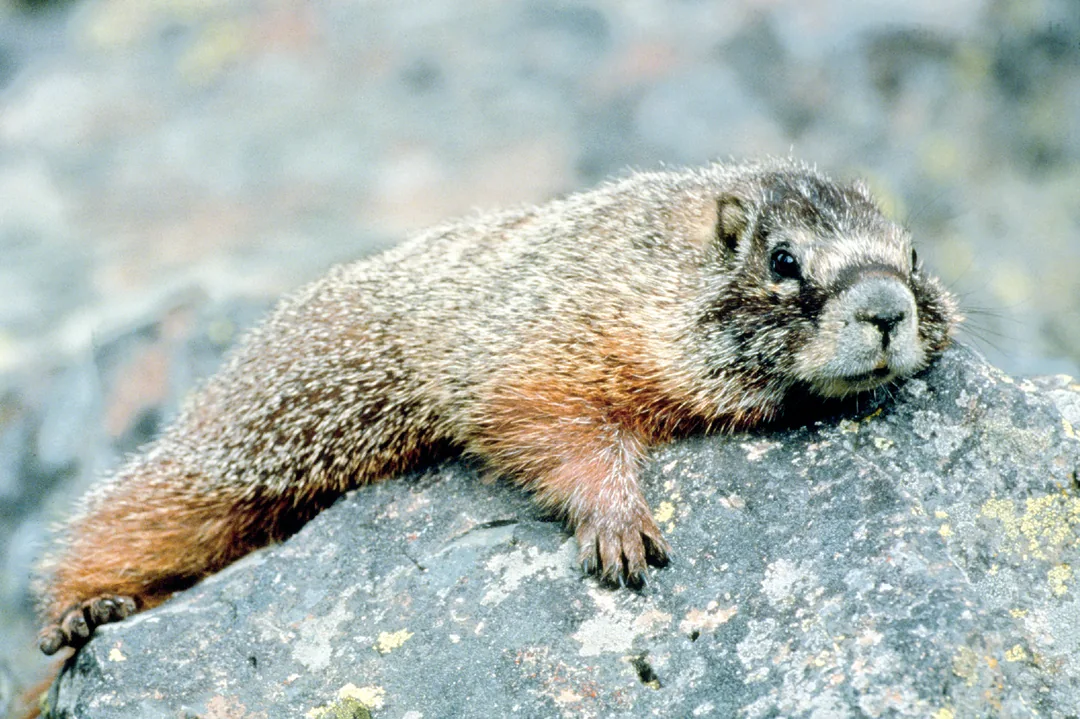
- Wildlife needs distance, especially in bear country; plan around current NPS safety guidance.
Frequently asked questions
Can I combine Grand Teton and Yellowstone?
Yes, but the parks deserve their own time. A good trip places lodging and transfer days carefully rather than repeatedly making long drives between them.
Are there options beyond strenuous hikes?
Absolutely. Scenic drives, overlooks, lakeshore time, photography, and appropriately arranged activities can make an excellent Teton visit with little or moderate walking.
Current park access
Seasonal roads, trails, weather, and reservations can change. Check the National Park Service's latest park notices before you travel.
View official NPS current conditions